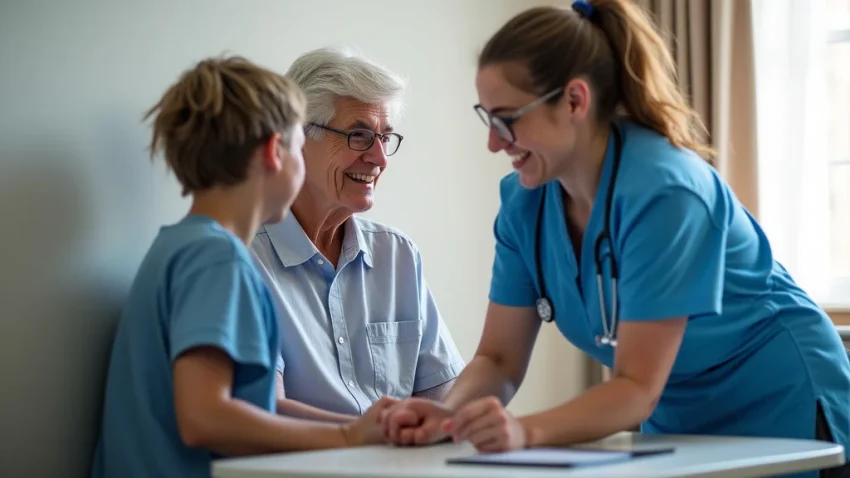
Thinking about becoming a personal care assistant might seem like a big step, especially if you’re new to healthcare. You might wonder if it’s too hard or if you have what it takes. Don’t worry!
This guide breaks down everything you need to know in simple steps. We will show you just how achievable this rewarding career is. Get ready to learn what makes this role so important and how you can get started without any stress.
Key Takeaways
- You will learn what a personal care assistant does every day.
- We explain the main skills needed to be successful.
- You discover the different places a personal care assistant can work.
- We cover how to get started and what training is helpful.
- You will see why this job is important for many people.
What Is a Personal Care Assistant
A personal care assistant, often called a PCA, is a healthcare professional who helps people with their daily living activities. These individuals might need support because of age, illness, disability, or other challenges. PCAs provide a vital service, allowing clients to maintain independence and a good quality of life in their own homes or in assisted living facilities.
The role focuses on personal needs, ensuring comfort, safety, and dignity for those they serve.
The Role of a Personal Care Assistant
The core job of a personal care assistant is to provide hands-on help with everyday tasks. This includes things like bathing, dressing, grooming, and toileting. They also assist with feeding and mobility, like helping someone walk or move from a bed to a chair.
Beyond physical care, PCAs offer companionship and emotional support. They are often the consistent presence in a client’s life, building trust and rapport. This can significantly impact a person’s well-being and reduce feelings of isolation.
A PCA’s duties can vary greatly depending on the client’s specific needs. Some clients may only need help with a few tasks a week, while others require full-time support. PCAs also monitor vital signs, report any changes in a client’s condition to a nurse or supervisor, and ensure the client’s living environment is clean and safe.
They might also help with light housekeeping, meal preparation, and running errands like grocery shopping or picking up prescriptions.
Essential Skills for a Personal Care Assistant
To be a good personal care assistant, several key skills are very important. Empathy and compassion are at the top of the list. You need to genuinely care about helping others and be able to put yourself in their shoes.
Good communication is also vital. This means listening carefully to clients and their families, and speaking clearly and kindly.
Patience is another must-have trait. Some tasks can take time, and clients might be frustrated or slow to respond. Being patient helps create a calm and supportive atmosphere.
Reliability and punctuality are also critical. Clients depend on their PCA to be there when scheduled. A strong sense of responsibility ensures that clients receive the care they need consistently and safely.
- Empathy and Compassion: Understanding and sharing the feelings of others is fundamental to providing respectful and kind care. This allows PCAs to connect with clients on a human level, recognizing their feelings and needs beyond just the physical tasks.
- Communication Skills: The ability to listen actively, speak clearly, and understand both verbal and non-verbal cues is essential for effective care. Good communication helps build trust and ensures that care plans are followed correctly, while also preventing misunderstandings.
- Patience: Working with individuals who may have physical or cognitive challenges requires a great deal of patience. PCAs must be able to handle repetitive tasks or slow responses with grace and understanding, ensuring the client never feels rushed or undervalued.
- Reliability and Dependability: Clients and their families rely on PCAs to be present and on time for their scheduled duties. This consistency is crucial for maintaining continuity of care and ensuring that clients’ needs are met without interruption.
- Problem-Solving Skills: While not always requiring complex solutions, PCAs often face minor issues throughout their day. Being able to think on your feet and find simple solutions to everyday problems, like a misplaced item or a minor comfort adjustment, is very helpful.
Where Personal Care Assistants Work
Personal care assistants find employment in a variety of settings. Many work directly in clients’ homes, providing one-on-one care. This allows clients to remain in a familiar environment, which can be comforting.
Home care agencies often employ PCAs to serve clients in their own communities.
Other common workplaces include assisted living facilities, nursing homes, and rehabilitation centers. In these settings, PCAs work as part of a larger care team. They might assist multiple residents throughout the day.
Each environment offers different challenges and rewards, but the core mission of helping others remains the same.
Getting Started as a Personal Care Assistant
Starting a career as a personal care assistant is often more accessible than you might think. Many pathways exist for individuals passionate about helping others. The initial steps usually involve understanding the basic requirements and finding suitable training opportunities.
These programs are designed to equip you with the necessary knowledge and practical skills.
Training and Certification
While specific requirements can vary by state or employer, most personal care assistant roles benefit greatly from formal training and certification. Many community colleges, vocational schools, and private organizations offer certified nursing assistant (CNA) or personal care assistant (PCA) training programs. These programs typically cover essential topics like basic medical care, patient rights, safety procedures, and emergency response.
A typical PCA training program might last a few weeks to a few months. It often includes classroom learning and hands-on practice. You will learn how to properly assist with daily living activities, take vital signs, and understand infection control.
Some programs may require a certain number of supervised clinical hours to be completed. Passing a state competency exam is often a requirement for official certification, which can significantly boost your job prospects.
- Formal Training Programs: Look for programs accredited by your state’s health department or a recognized educational body. These programs offer structured learning on essential caregiving skills.
- On-the-Job Training: Some agencies may offer their own training for individuals with no prior experience, especially if you show a strong aptitude and commitment to the role.
- Certification: While not always mandatory for PCAs, obtaining certification (like CNA) can make you a more attractive candidate for many positions and often leads to higher pay.
- Background Checks: Most employers will require a criminal background check to ensure the safety and well-being of their clients.
Finding Employment
Once you have completed your training, the next step is finding a job. Many home care agencies actively recruit PCAs. You can also look for openings in hospitals, nursing homes, and assisted living facilities.
Online job boards, agency websites, and local career centers are excellent resources for finding available positions.
When applying, highlight your training, any relevant experience, and your personal qualities like compassion and reliability. Employers often look for candidates who are not just skilled but also have a genuine desire to help people. Networking with people already in the field can also open doors to potential opportunities.
Sample Scenario A Day in the Life
Let’s imagine a typical day for a personal care assistant named Sarah. Sarah works for a home care agency and is assigned to an elderly gentleman named Mr. Henderson, who lives alone.
- Morning Visit: Sarah arrives at Mr. Henderson’s home at 9:00 AM. She greets him warmly and checks his vital signs.
- Assistance with Personal Care: She helps Mr. Henderson with his morning routine, including bathing, dressing, and brushing his teeth. She ensures he is comfortable and his dignity is maintained throughout.
- Medication Reminders and Meal Prep: Sarah reminds Mr. Henderson to take his morning medications and prepares a nutritious breakfast for him, making sure it’s easy for him to eat.
- Companionship and Activity: After breakfast, Sarah spends time chatting with Mr. Henderson, reading the newspaper aloud, or helping him with a light activity like a short walk around his garden.
- Light Housekeeping: She tidies up the kitchen after breakfast and ensures his living area is clean and safe.
- Documentation: Before leaving, Sarah documents the care provided, Mr. Henderson’s mood, and any observations about his health in his care log.
- Afternoon Visit (if applicable): Depending on her schedule, Sarah might have another client or return later in the day for an afternoon visit to assist with lunch and other needs.
This daily structure demonstrates the varied nature of PCA work, blending essential care tasks with social interaction and environmental upkeep.
The Importance of Personal Care Assistants
The role of a personal care assistant is deeply significant in the healthcare system and in the lives of individuals. These professionals provide essential support that goes beyond basic tasks. They contribute to the overall well-being and happiness of their clients.
Their presence can make a profound difference in how people experience their daily lives.
Supporting Independence and Quality of Life
One of the most critical contributions of a PCA is enabling individuals to maintain their independence. For many, having a PCA means they can continue living in their own homes, surrounded by familiar things and people. This ability to stay in a comfortable, personal space is invaluable for mental and emotional health.
It allows individuals to feel more in control of their lives.
By assisting with daily living activities, PCAs remove barriers that might prevent someone from living independently. This support helps clients feel more confident and capable. It directly contributes to a higher quality of life.
A PCA’s help ensures that essential needs are met, reducing stress for both the client and their families.
Emotional and Social Support
Beyond physical assistance, PCAs offer vital emotional and social support. They are often a consistent, friendly face in a client’s week. This regular interaction combats loneliness and isolation, which can be serious problems, especially for the elderly or those with limited mobility.
The simple act of conversation, sharing a laugh, or listening can greatly improve a client’s mood and overall outlook.
Building a trusting relationship is a key part of a PCA’s role. This rapport allows clients to feel more comfortable and secure. It also enables PCAs to better understand a client’s needs and preferences.
This personal connection is a powerful part of their caregiving. It transforms a service into a meaningful human connection.
Statistics on Home Care and PCA Impact
The demand for home care services is growing steadily. This trend highlights the increasing need for qualified personal care assistants.
| Statistic | Data |
|---|---|
| Projected Growth of Home Health and Personal Care Aides | Expected to grow 33 percent from 2022 to 2032, much faster than the average for all occupations. |
| Number of Jobs Added | About 1.1 million new jobs are projected to be created for this occupation. |
| Aging Population Impact | As the U.S. population ages, the demand for healthcare services, including those provided by personal care assistants, will continue to rise. |
These numbers show that a career as a personal care assistant offers strong job security and growth potential. The increasing need means that skilled and compassionate individuals are highly valued.
Common Myths Debunked
Myth 1: Personal care assistants only perform basic cleaning and errands.
Reality: While PCAs do assist with light housekeeping and errands, their role is far more comprehensive. The primary focus is on direct personal care for the client, including assistance with bathing, dressing, feeding, and mobility. They are trained to recognize changes in a client’s condition and provide emotional support, making their duties much more involved than just household chores.
Myth 2: You need a nursing degree to be a personal care assistant.
Reality: You do not need a nursing degree to become a personal care assistant. Most PCA roles require a high school diploma or GED and completion of a specialized PCA or CNA training program. These programs provide the necessary skills and knowledge without the extensive medical education required for nurses.
Myth 3: The job is emotionally draining and has no rewards.
Reality: While caring for others can be emotionally challenging at times, it is also incredibly rewarding. The opportunity to make a real, positive difference in someone’s life, help them maintain dignity and independence, and build meaningful relationships is a powerful source of satisfaction. Many PCAs find deep fulfillment in their work.
Myth 4: Personal care assistants have limited career advancement.
Reality: A career as a personal care assistant can be a stepping stone to other roles in healthcare. With experience and further training, PCAs can move into supervisory roles, become specialized caregivers, or pursue further education to become licensed practical nurses (LPNs) or registered nurses (RNs).
Frequently Asked Questions
Question: What is the main difference between a personal care assistant and a home health aide?
Answer: While the terms are often used interchangeably, a home health aide may provide more advanced medical tasks under the supervision of a nurse, such as wound care or monitoring complex medical equipment. A personal care assistant primarily focuses on assisting with daily living activities like bathing, dressing, and feeding, along with companionship.
Question: Do I need specific vaccinations to become a personal care assistant?
Answer: Many employers and healthcare facilities require PCAs to be up-to-date on certain vaccinations, such as the flu shot and COVID-19 vaccine, to protect both themselves and the clients they serve.
Question: How much do personal care assistants typically earn?
Answer: Pay for personal care assistants varies based on location, experience, and employer. However, the median annual wage for home health and personal care aides was $33,040 in May 2023, according to the Bureau of Labor Statistics.
Question: What should I do if a client refuses care?
Answer: If a client refuses care, you should calmly try to understand their reasons and encourage them to accept the assistance. If they continue to refuse, you should not force them. Report the situation to your supervisor or the client’s case manager to discuss the best course of action.
Question: Can a personal care assistant administer medication?
Answer: Generally, personal care assistants are not authorized to administer medications. Their role typically includes reminding clients to take their prescribed medications and ensuring they are taken on time. Actual administration is usually done by the client, a family member, or a licensed healthcare professional.
Summary
Becoming a personal care assistant offers a fulfilling career path. You provide essential support that enhances lives. The role requires compassion, patience, and reliability.
Training programs equip you with the skills needed. Job opportunities are plentiful in various settings. Your work truly matters.