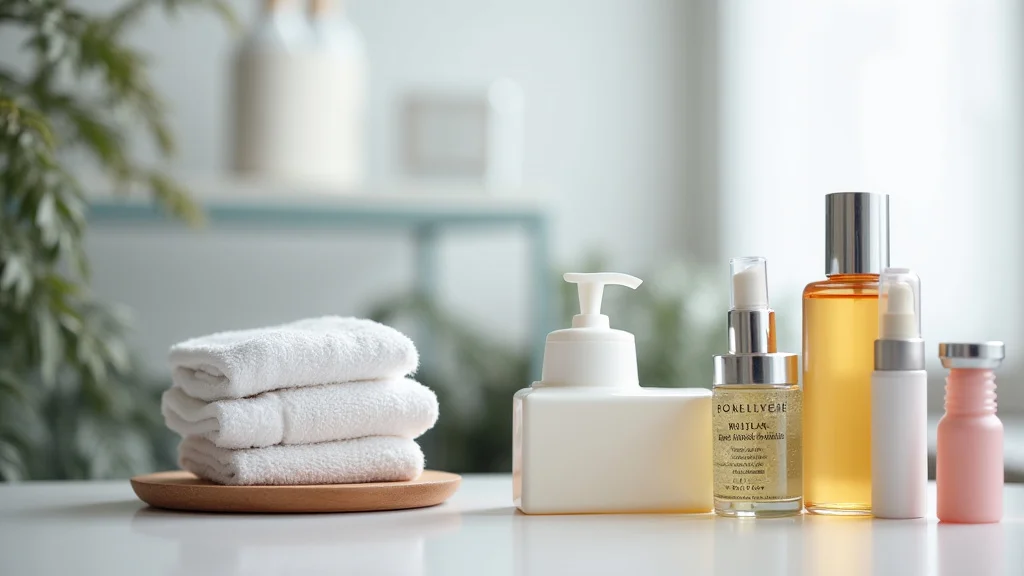
Picking out personal care products can feel a bit overwhelming sometimes, especially when you’re just starting. There are so many choices, and it’s hard to know where to begin. But don’t worry!
This guide makes it super easy to figure out what you need. We’ll walk through everything step-by-step, so you can feel confident about your choices. Let’s get started on making your personal care routine simple and effective.
Key Takeaways
- You will learn how to identify common personal care product types.
- This guide will explain what ingredients to look for and avoid.
- Discover tips for choosing products that are right for your skin and hair type.
- Understand how to read labels and make informed purchasing decisions.
- Learn about the importance of ingredient safety and sustainability.
Understanding Personal Care Products
Personal care products are items we use every day to keep ourselves clean and feeling good. They help us maintain hygiene and improve our appearance. Think about shampoo, soap, toothpaste, and lotions.
These are all part of our daily routine for staying healthy and presentable. The world of personal care can seem big, but it’s really about finding what works best for you personally.
Many people find the sheer variety of options confusing. Different brands offer similar items, and understanding what sets them apart is key. Ingredient lists can also look like a foreign language.
This guide aims to demystify these choices. We want to make selecting personal care products straightforward and stress-free for everyone.
What Are Personal Care Products
Personal care products are designed for use on the human body. Their primary purpose is to cleanse, moisturize, protect, and scent the body. This category includes a wide array of items.
They range from basic hygiene essentials to specialized beauty and grooming aids. The goal is generally to promote health, well-being, and personal appearance.
These products are regulated by government agencies to ensure safety. For example, the Food and Drug Administration (FDA) in the United States oversees cosmetics and other personal care items. They monitor ingredients and labeling.
This helps consumers make informed decisions and protects them from harmful substances.
Hygiene Products
Hygiene products are fundamental to daily health. They help prevent the spread of germs and keep us feeling fresh. Examples include soaps for washing hands and body, toothbrushes and toothpaste for oral care, and deodorants to manage body odor.
These items are essential for maintaining cleanliness and preventing illness.
Using these products regularly is a simple yet effective way to promote overall health. They contribute to personal comfort and social well-being. Think about how you feel after a refreshing shower or brushing your teeth.
It’s a small act with a big impact on how you feel throughout the day.
Cosmetics and Beauty Products
Cosmetics and beauty products are often used to enhance one’s appearance. This can include makeup like foundation, lipstick, and eyeshadow. It also covers skincare items such as moisturizers, serums, and sunscreens.
Hair care products like shampoos, conditioners, and styling aids also fall into this category. The intention here is often to improve or alter outward appearance.
The industry for these products is vast and constantly innovating. New formulas and ingredients emerge frequently. Consumers often look for products that offer specific benefits, such as anti-aging properties, skin brightening, or particular finishes like matte or dewy.
The choice often comes down to personal preference and desired results.
Grooming and Personal Hygiene Aids
Grooming products focus on maintaining personal appearance and comfort. This includes items for shaving, such as razors, shaving cream, and aftershave. It also covers hair removal products and nail care items like files and clippers.
Styling tools and products for hair, like gels and hairspray, are also included.
These items help individuals manage their physical presentation. They can contribute to a sense of confidence and preparedness. Many grooming products are designed for specific needs, such as sensitive skin or particular hair textures.
Finding the right ones can make a significant difference in daily routines.
Common Ingredients In Personal Care Products
Personal care products are made up of many different ingredients. Some are natural, while others are synthetic. Understanding the role of these ingredients helps in choosing safe and effective products.
Many are designed to clean, moisturize, preserve, or add scent.
For example, surfactants are common in cleaning products like shampoos and soaps. They help to lift dirt and oil from the skin and hair. Emollients and humectants are found in moisturizers.
They help to soften the skin and retain moisture. Preservatives are crucial for preventing the growth of bacteria and mold, extending the product’s shelf life.
Cleansing Agents
Cleansing agents, also known as surfactants, are key components in many personal care products. They are responsible for creating lather and helping to remove dirt, oil, and impurities from the skin and hair. These molecules have a special structure that allows them to attract both water and oil, acting like tiny magnets that pull grime away.
Common surfactants include sodium lauryl sulfate (SLS) and sodium laureth sulfate (SLES). While effective, some people with sensitive skin may find these too drying. Gentler alternatives are often preferred.
Examples include coco-glucoside and decyl glucoside, which are derived from natural sources like coconuts and sugar.
Moisturizers and Emollients
Moisturizers and emollients are vital for keeping skin soft and hydrated. Emollients work by filling in the gaps between skin cells, creating a smooth surface. They help to improve the skin’s texture and prevent dryness.
Common emollients include shea butter, cocoa butter, and various plant oils like jojoba and almond oil.
Humectants are another type of moisturizing ingredient. They draw water from the air into the skin. Glycerin and hyaluronic acid are popular humectants.
When combined with emollients, they create a powerful system for maintaining skin hydration and barrier function. These ingredients are essential for combating dry, flaky skin.
Preservatives
Preservatives are added to personal care products to prevent spoilage. They stop the growth of bacteria, mold, and yeast that can contaminate the product. Without preservatives, many products would only last a short time before becoming unsafe to use.
This is especially important for products that contain water, as microbes thrive in moist environments.
Some common preservatives include parabens, phenoxyethanol, and benzyl alcohol. While effective, concerns have been raised about certain preservatives. Many brands now offer “preservative-free” options, which often use alternative preservation systems or are formulated for immediate use.
Choosing products with safe and effective preservatives is important for product integrity.
Fragrances and Essential Oils
Fragrances are added to personal care products to give them a pleasant smell. They can be synthetic or derived from natural sources like flowers and fruits. Essential oils are concentrated plant extracts that also provide scent and sometimes therapeutic benefits.
Lavender, peppermint, and tea tree oil are examples of commonly used essential oils.
Some individuals can be sensitive to fragrances, experiencing skin irritation or allergic reactions. For this reason, many products are labeled as “fragrance-free” or “unscented.” Unscented products may still contain masking agents to cover up natural odors, while fragrance-free means no added fragrance components. Reading labels helps those with sensitivities make safe choices.
Reading Labels and Making Choices
Understanding product labels is a key skill for selecting personal care items. Labels provide important information about ingredients, usage, and potential benefits. They are your guide to making informed decisions about what you put on your body.
The ingredient list is often presented in order of concentration, with the highest amounts listed first. This can give you an idea of what the product is primarily made of. Look for ingredients that align with your needs and avoid those you are sensitive to.
Ingredient Lists
The ingredient list on a personal care product is like a recipe. It tells you exactly what is in the bottle or jar. Ingredients are usually listed in descending order by weight.
This means the first few ingredients are the ones present in the largest amounts. The list uses standardized names, often from the International Nomenclature of Cosmetic Ingredients (INCI).
For example, water or aqua is commonly the first ingredient in many lotions and creams. If you see “glycerin” or “shea butter” high up on the list, it suggests the product is rich in moisturizing agents. Conversely, if an ingredient you wish to avoid is listed very low, it’s present in a tiny amount.
Identifying Your Skin and Hair Type
Knowing your skin and hair type is fundamental to choosing the right products. Skin types can be oily, dry, combination, or sensitive. Oily skin may benefit from lightweight, non-comedogenic formulas that don’t clog pores.
Dry skin needs richer, more emollient products to lock in moisture.
Hair types vary widely too. You might have fine, thick, curly, straight, oily, or dry hair. Fine hair can be weighed down by heavy products, while thick, curly hair may need more intense hydration.
Understanding these characteristics helps you select shampoos, conditioners, and styling aids that will perform best for you.
Skin Types
People with oily skin tend to have larger pores and may experience shine, especially in the T-zone (forehead, nose, and chin). They are also more prone to acne breakouts. Products labeled “oil-free,” “non-comedogenic,” or “for oily skin” are often a good starting point.
Dry skin often feels tight, flaky, or rough. It may lack radiance and can be more prone to redness and irritation. Look for products rich in emollients and humectants, often labeled “for dry skin” or “hydrating.”
Combination skin is a mix of oily and dry areas, typically oily in the T-zone and normal or dry on the cheeks. This type requires balancing products or treating different areas differently. Sensitive skin reacts easily to certain ingredients, showing redness, itching, or stinging.
Fragrance-free and hypoallergenic options are usually recommended.
Hair Types
Fine hair is thin and may lack volume, often becoming greasy quickly. Lightweight shampoos and conditioners that add body are beneficial. Avoid heavy creams or oils that can weigh it down.
Thick hair is denser and can handle richer products. It might need more moisture to prevent dryness and frizz. Moisturizing shampoos and conditioners, along with leave-in treatments, can be very helpful.
Curly hair often has a spiral pattern and can be prone to dryness and frizz because natural oils have a harder time traveling down the hair shaft. Products designed for curly hair usually provide extra moisture and help define curls. Straight hair varies in thickness but generally allows oils to spread easily, so lighter products are often preferred to avoid greasiness.
Cruelty-Free and Vegan Options
Many consumers are increasingly looking for personal care products that are not tested on animals (cruelty-free) and contain no animal-derived ingredients (vegan). These ethical considerations are important to a growing segment of the population. Certifications from organizations like PETA or Leaping Bunny can help identify these products.
Choosing cruelty-free and vegan options means supporting brands that align with certain values. It doesn’t necessarily mean the product is less effective. Many high-quality personal care items are available that meet these criteria, allowing consumers to make choices that reflect their beliefs.
Benefits of Using Personal Care Products
Using personal care products offers numerous benefits for both physical health and emotional well-being. They are more than just about looking good; they play a vital role in how we feel and interact with the world.
From basic hygiene that prevents illness to products that boost confidence, the impact is widespread. They help us present ourselves in a way that feels comfortable and appropriate for various social settings. This contributes to our overall quality of life.
Health and Hygiene
The most fundamental benefit of personal care products is their role in health and hygiene. Regular use of soaps, hand sanitizers, and oral care products helps prevent the spread of germs and diseases. This is especially important in public spaces and for maintaining overall wellness for yourself and your community.
For example, washing your hands with soap and water for at least 20 seconds removes viruses and bacteria. This simple act can significantly reduce your risk of catching colds, the flu, and other infections. Similarly, brushing your teeth twice a day with fluoride toothpaste prevents cavities and gum disease.
Statistics show that good hand hygiene alone can reduce diarrheal disease incidence by up to 47%. This highlights the critical importance of basic hygiene products in public health. Using antiperspirants or deodorants also contributes to personal comfort and can prevent body odor, which can impact social interactions.
Skin and Hair Health
Personal care products are essential for maintaining the health of your skin and hair. Moisturizers keep skin hydrated, preventing dryness, cracking, and premature aging. Sunscreens protect your skin from harmful UV radiation, reducing the risk of sunburn and skin cancer.
Cleansing products remove dirt and impurities that can clog pores and lead to breakouts.
For hair, shampoos clean away excess oil and buildup, while conditioners restore moisture and improve manageability. Products designed for specific hair concerns, like dandruff or frizz, can significantly improve hair health and appearance. A healthy scalp is crucial for healthy hair growth.
A study published in the Journal of Clinical Dermatology found that consistent use of moisturizers can improve skin barrier function by up to 75%. This leads to softer, smoother, and more resilient skin. Similarly, using the right hair care can prevent breakage and promote shine.
Confidence and Well-being
Beyond physical benefits, personal care products can significantly boost self-esteem and emotional well-being. When you feel clean, smell good, and look your best, you tend to feel more confident. This can positively influence social interactions, professional performance, and overall mood.
The ritual of a skincare routine or styling your hair can be a form of self-care. It’s a moment to focus on yourself, de-stress, and prepare for the day ahead. This personal time can be incredibly therapeutic and contribute to a more positive outlook.
A survey by the British Association of Cosmetic Dentists found that 80% of people believe a nice smile makes them feel more confident. This shows how much small aspects of personal care can impact self-perception. Feeling good about your appearance can empower you in various aspects of life.
Natural and Organic Personal Care Products
There’s a growing interest in personal care products made with natural and organic ingredients. Many people prefer these options because they are perceived as gentler and more environmentally friendly.
These products often avoid synthetic chemicals found in conventional items. They aim to harness the power of plants and other natural sources for their benefits. This movement reflects a broader trend towards healthier and more sustainable living.
What Makes a Product Natural or Organic
The terms “natural” and “organic” are often used interchangeably, but they have distinct meanings. A “natural” product generally contains ingredients derived from plants, minerals, or animal by-products, with minimal processing. The exact definition can vary, and there isn’t always strict regulation.
An “organic” product is made with ingredients grown without synthetic pesticides, herbicides, or genetically modified organisms (GMOs). For a product to be certified organic, it must meet specific standards set by organizations like the USDA (United States Department of Agriculture) or Ecocert. This certification process ensures a higher level of scrutiny and adherence to organic farming practices.
For example, a natural moisturizer might use shea butter and essential oils. An organic version of the same moisturizer would ensure that the shea nuts and essential oil plants were grown using organic farming methods, free from synthetic chemicals. The processing of these ingredients would also adhere to organic standards.
Benefits of Natural and Organic Options
One of the main benefits of natural and organic personal care products is their potential gentleness on the skin. They often contain fewer harsh chemicals, artificial fragrances, and dyes, which can be irritants for sensitive individuals. This makes them a good choice for people prone to allergies or skin sensitivities.
Furthermore, many natural and organic ingredients are rich in vitamins, antioxidants, and essential fatty acids that can nourish and benefit the skin and hair. Think of ingredients like aloe vera for soothing, coconut oil for deep conditioning, or green tea extract for its antioxidant properties. These natural components can offer effective results without the need for synthetic additives.
A 2021 report by Grand View Research noted that the global natural personal care market is expanding rapidly, driven by consumer demand for health and wellness. This trend indicates a significant shift in consumer preference towards products perceived as safer and more sustainable.
Potential Drawbacks and Considerations
While natural and organic products offer many advantages, there can be some considerations. “Natural” doesn’t always mean safer or more effective; some natural ingredients can still cause reactions in certain individuals. It’s always wise to patch-test a new product.
Another factor is shelf life. Because they often use fewer or different types of preservatives, natural and organic products may have a shorter shelf life than their conventional counterparts. This means you might need to use them up more quickly or store them under specific conditions, like in a cool, dark place.
The cost can also be higher for natural and organic options. The processes involved in sourcing and producing certified organic ingredients, along with the smaller production scales, can lead to increased prices. However, many consumers find the benefits to be worth the investment for their health and the environment.
Personal Care Product Safety and Regulations
Ensuring the safety of personal care products is a major concern for both consumers and regulatory bodies. These products are designed for direct application to the body, making their safety profile critical.
Various agencies worldwide are tasked with overseeing these products to protect public health. They set standards for ingredients, labeling, and manufacturing practices. This framework helps build consumer trust and ensures a baseline level of safety.
Regulatory Bodies and Their Roles
In the United States, the Food and Drug Administration (FDA) regulates cosmetics and other personal care products. The FDA ensures that products are safe for consumers when used as directed on their labels or in the customary way. They also ensure that products are properly labeled and not adulterated or misbranded.
However, the FDA does not pre-approve cosmetic products and their ingredients before they go on the market. The responsibility lies with the manufacturers to ensure their products are safe. The FDA can take action against products on the market if they are found to be unsafe or mislabeled.
This regulatory approach emphasizes manufacturer accountability.
In the European Union, the Cosmetics Regulation (EC) No 1223/2009 governs cosmetic products. It requires a product information file (PIF) for each product, including a safety assessment. This system is generally considered more stringent than in the U.S., with a ban on over 1,300 ingredients.
Other regions have their own regulatory frameworks, such as Health Canada in Canada and the Therapeutic Goods Administration (TGA) in Australia.
Common Safety Concerns and Allergic Reactions
Despite regulations, some individuals may experience adverse reactions to personal care products. These reactions are often due to allergies or sensitivities to specific ingredients. Common culprits include fragrances, preservatives like parabens and formaldehyde-releasing agents, and certain colorants.
An allergic reaction might manifest as redness, itching, swelling, or a rash. A sensitivity, on the other hand, can cause irritation without involving the immune system. For example, a product that is too harsh or drying might cause stinging or discomfort.
Data from the American Academy of Dermatology indicates that contact dermatitis, an itchy rash caused by direct contact with a substance, is a common reaction to personal care products. Identifying the offending ingredient is key to managing these reactions. Patch testing by a dermatologist can help pinpoint the cause of persistent reactions.
Sustainable and Ethical Practices
Beyond safety, consumers are increasingly concerned with the sustainability and ethical sourcing of personal care products. This includes issues like packaging waste, water usage, and the environmental impact of ingredient production. Ethical practices also encompass fair labor conditions throughout the supply chain.
Brands are responding by adopting more eco-friendly packaging, such as using recycled materials or offering refillable options. They are also focusing on biodegradable formulas and sourcing ingredients from sustainable suppliers. Transparency about these practices is crucial for building consumer trust and loyalty.
For instance, many companies are moving away from single-use plastics in their packaging. They are exploring alternatives like glass, aluminum, or biodegradable plastics. Some brands also participate in take-back programs for empty containers to ensure proper recycling or reuse, minimizing their environmental footprint.
Common Myths Debunked
Myth 1: All Natural Ingredients Are Always Safe
While many natural ingredients are beneficial, “natural” does not automatically mean “safe for everyone.” Some natural substances can be potent allergens or irritants. For example, essential oils, while natural, can cause severe skin reactions in some people, especially if not diluted properly. It’s important to research ingredients and perform patch tests, regardless of whether they are natural or synthetic.
Myth 2: Expensive Products Are Always Better
Price is not always an indicator of quality or effectiveness in personal care products. Many high-end formulations may include expensive marketing or rare ingredients that don’t necessarily translate to superior results for the average consumer. Often, simpler formulations with well-researched, common ingredients can be just as effective, if not more so, at a fraction of the cost.
Myth 3: You Need Many Products for a Complete Routine
A comprehensive personal care routine doesn’t require a vast collection of products. Many people achieve excellent results with a few essential items, like a gentle cleanser, a moisturizer, and sunscreen. Overusing multiple products can sometimes lead to skin irritation or disrupt the skin’s natural balance.
Focusing on quality and suitability for your specific needs is more important than quantity.
Myth 4: “Dermatologist Tested” Guarantees Safety
“Dermatologist tested” means that a product has been tested on a group of people under the supervision of a dermatologist. However, it does not guarantee that every person will have a positive experience or that the product is hypoallergenic. Individual reactions can still occur.
It’s a marketing claim that indicates a level of testing, but not absolute safety for all.
Frequently Asked Questions
Question: What is the difference between “fragrance-free” and “unscented” personal care products?
Answer: “Fragrance-free” means that no fragrance ingredients have been added to the product at all. “Unscented” means that masking fragrances have been added to cover up any natural odors the product might have, but it does not contain added perfumes. So, a fragrance-free product is truly free of added scents.
Question: How often should I wash my hair?
Answer: The frequency of hair washing depends on your hair type and lifestyle. People with oily hair may need to wash it daily, while those with dry or curly hair might find washing it every few days or even once a week is sufficient. Over-washing can strip the hair of its natural oils, leading to dryness and damage.
Question: Are all parabens harmful in personal care products?
Answer: While some parabens have been linked to health concerns, scientific consensus is that they are safe in the low concentrations found in personal care products. Regulatory bodies like the FDA and the European Commission’s Scientific Committee on Consumer Safety have reviewed paraben safety and found them safe for use. However, some consumers prefer to avoid them due to personal preference or perceived risks.
Question: What does “non-comedogenic” mean on skincare labels?
Answer: “Non-comedogenic” means that a product is formulated not to clog pores. Pores can become blocked by oil, dead skin cells, and product residue, which can lead to acne breakouts, blackheads, and whiteheads. If you have acne-prone or oily skin, looking for “non-comedogenic” labels on skincare and makeup can help prevent breakouts.
Question: Can I use baby products on my own skin?
Answer: Yes, in many cases, you can use baby products on your own skin. Baby products are typically formulated to be very gentle and free from harsh chemicals, fragrances, and dyes, making them suitable for sensitive skin. They are often a good choice for people with delicate skin conditions or those seeking milder options.
Summary
Selecting personal care products becomes much simpler when you understand the basics. You’ve learned about common ingredients, how to read labels, and what to consider for your specific skin and hair needs. Prioritizing health, hygiene, and personal well-being is key.
Making informed choices leads to products that truly work for you. Start with what feels right for your body today.