Last updated: October 29, 2026
Quick Answer: Home healthcare services can range from a few skilled visits a week to several hours of daily personal support, and the right setup depends on the patient’s medical needs, daily living needs, and payer rules.
Home healthcare services bring medical care, personal care, or both into a person’s home when leaving the house is difficult, risky, or simply unnecessary. In Home healthcare services — The Complete Guide, the real question is not “What is home healthcare?” It is “Which services fit the patient, who pays, and how do I avoid a bad match?”
Key Takeaways
- Home healthcare is not one service; it is a range of clinical care, rehab, and personal support delivered at home.
- The right fit depends on the patient’s diagnosis, mobility, medication needs, and how much hands-on help is required each day.
- Medicare, Medicaid, private insurance, and self-pay each cover different parts of home care, and the rules are not interchangeable.
- Skilled home health is medical care ordered by a clinician; home care or personal care is usually non-medical help with daily tasks.
- A poor choice can mean missed visits, unsafe medication use, caregiver burnout, or an avoidable hospital readmission.
- A plan works best when it matches the care level to the need, names a clear point person, and is reviewed often.
What are home healthcare services?

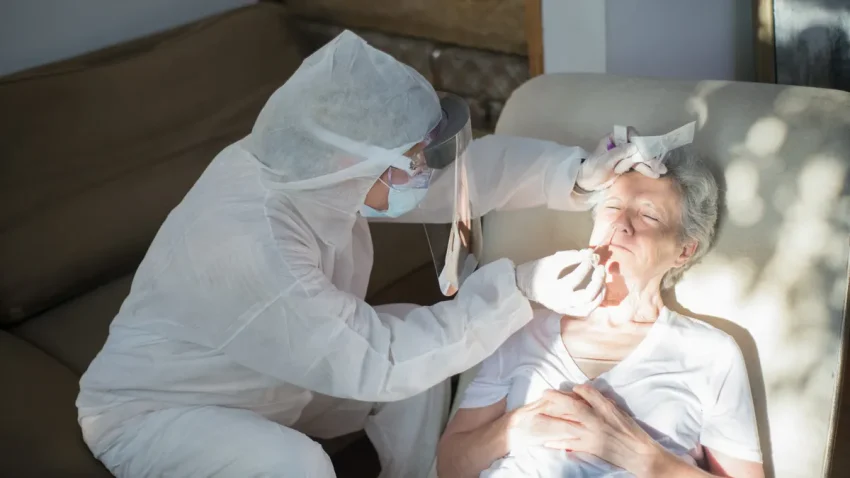
Home healthcare services are care services delivered in a patient’s residence, usually after a doctor, nurse practitioner, or hospital team decides that care can be safely provided outside a clinic or facility. The category includes skilled nursing, physical therapy, occupational therapy, speech therapy, wound care, medication management, and, in a separate bucket, personal care such as bathing, dressing, meal prep, and companionship.
The key distinction is medical versus non-medical care. Skilled home health is tied to a clinical plan and is often subject to insurer rules, documentation, and periodic reassessment. Personal home care is usually lighter-touch support that helps a person stay safe and independent. A person recovering from joint replacement may need a few weeks of skilled therapy. A person with advanced dementia may need daily personal care for months or years.
That difference matters because the wrong label causes problems fast. Families often ask for “home healthcare” when they actually need help with housekeeping and mobility. Others request home care when the patient needs wound monitoring or infusion support. The service type determines who can provide it, whether a registered nurse must be involved, and how the work is billed.
This is also why one broad definition is not enough. A home health episode can involve a visiting nurse twice a week, a therapist once a week, and a home health aide for bathing support. A home care arrangement may involve several hours of non-medical support each day with no clinical services at all. If the need is medical, the plan should start with a licensed clinician. If the need is daily living support, the plan can begin with a care coordinator or agency, but the care level still needs a realistic review.
Who needs home healthcare services?
Home healthcare services are often appropriate for people who need care but do not need, or no longer need, constant inpatient treatment, and families should confirm eligibility with a clinician or care professional. That often includes older adults after surgery, people living with chronic illness, patients recovering from stroke, people with wounds or catheters, and those whose mobility makes clinic visits hard.
A common use case is post-discharge care. After a hospitalization, the first 7 to 14 days can be the riskiest period for medication confusion, falls, missed follow-up, and dehydration. Home health can fill that gap with medication checks, wound care, therapy exercises, and symptom monitoring. Another common case is chronic disease management. A patient with heart failure, COPD, diabetes, or Parkinson’s may not need round-the-clock supervision, but may still need regular assessment, education, and home safety changes.
The service also fits families stretched beyond what unpaid caregiving can safely cover. A spouse can help with meals and reminders, but not every household can manage transfers from bed to chair, incontinence care, or complex dressing changes without help. When the work exceeds what one person can do safely, home care becomes a risk-management choice, not a luxury.
Not everyone is a fit. Someone who needs constant oxygen titration, frequent IV medication changes, or immediate access to emergency intervention may be better served in a facility or with a higher-acuity care model. A person living in a home with no running water, unsafe stairs, or no phone access may also need a different setup before care can work. Home healthcare is strongest when the home itself can support care.
What services are typically included?

Typical home healthcare services include skilled nursing, therapy, aide support, and care coordination, but the exact mix depends on the patient’s condition and the agency’s license. A strong plan names the service, the frequency, and the goal for each visit.
Skilled nursing can include wound assessment, injections, catheter care, ostomy support, medication reconciliation, and monitoring of blood pressure, blood sugar, swelling, or breathing changes. Physical therapy can focus on gait, balance, transfers, strength, and fall prevention. Occupational therapy often works on bathing, dressing, kitchen tasks, and safe use of adaptive equipment. Speech therapy can address swallowing, communication, and cognitive strategies after stroke or neurological illness.
Home health aide services can help with bathing, grooming, toileting, and other hands-on support under the direction of the care plan, depending on the state and payer. Personal care aides and companions usually handle non-medical support such as light housekeeping, meal prep, errands, and social interaction. Some agencies also help with transportation coordination, durable medical equipment setup, and family education.
The details matter because “aide,” “caregiver,” and “nurse” are not interchangeable terms. A nurse can assess a wound and adjust care based on clinical findings. A personal care aide generally cannot. A therapist can document progress against a functional goal. A companion cannot replace therapy just because the patient is lonely. Good service matching avoids wasted visits and unmet needs.
The most useful plans are specific. “Bathing assistance twice a week,” “skilled nursing for diabetic foot care once weekly,” or “physical therapy three times a week for four weeks” are clearer than “general help.” Specificity makes the service measurable, reviewable, and easier to adjust when the patient improves or declines.
How do home healthcare services work day to day?
Home healthcare services work best as a scheduled care plan, not as a vague promise to “check in.” A typical day-to-day setup starts with assessment, then moves to a written plan, then follows a visit schedule that gets updated as the patient changes.
The first step is usually a referral or intake call. After that, a clinician or care coordinator gathers diagnosis details, medication lists, recent discharge notes, mobility status, home safety issues, and the main family contact. If skilled care is involved, a licensed professional creates or reviews the plan of care. Visits are then scheduled around the patient’s needs and the agency’s staffing.
A practical plan names the point person, because confusion is one of the first things that breaks care at home. One person should know when the nurse is coming, where supplies are stored, which medications changed, and when the next appointment is due. If that role is spread across three relatives and a neighbor, details get lost. Missed visits and duplicate instructions are common when nobody owns the calendar.
The day-to-day process also depends on documentation. Nurses chart symptoms, wound appearance, medication changes, and patient response. Therapists document progress toward mobility or self-care goals. Aides may note whether the patient needed extra help or had trouble with transfers. This record is what allows the care team to adjust frequency or discharge when goals are met.
The biggest misconception is that home healthcare means a person is “being watched.” In practice, most plans are intermittent. A nurse may come for 30 to 60 minutes at a time. Therapy may be a few visits a week. That makes home health efficient, but it also means the family still carries a lot of the daily load between visits. If the home cannot support that gap, the plan is too thin.
How much does home healthcare cost, and who pays?
Home healthcare costs vary by service type, payer, region, and level of support, and the payer rules matter as much as the price. Skilled home health may be covered under Medicare or private insurance when medical criteria are met, while personal care is often paid out of pocket unless Medicaid or a waiver program applies.
The first money question is not the hourly rate. It is which services are medically covered and which are not. Medicare rules for home health generally focus on skilled services ordered by a clinician, while non-medical personal care can fall outside that benefit. Medicaid coverage varies by state and program. Private insurance may cover some home health after hospitalization or for specific diagnoses, but the scope is plan-specific, so families should confirm details with the insurer or a professional. Veterans’ benefits, long-term care insurance, and employer-sponsored plans can also affect the bill.
Families often run into a hard divide here. A person may qualify for nursing visits and therapy but still need extra hours of bathing help, meal support, or overnight supervision that are not covered. That gap is where self-pay starts. The result can be a partial plan: insurance covers the clinical pieces, while the family pays for the rest.
It is also sensible to ask for a written explanation before services begin. The agency should state what is covered, how often, what is excluded, and what triggers a change in billing. If a service is being billed as skilled nursing, ask what clinical task justifies it. If a service is billed as personal care, ask whether it can be reduced, paused, or combined with family support.
Home care is expensive in the ways people do not expect. Transportation, after-hours needs, weekend coverage, supply restocking, and last-minute schedule changes all add pressure. The cheapest option can become costly if it leads to medication errors or hospital readmission. A better question is not “What is the lowest rate?” but “What level of care prevents the next crisis?” and families should review that question with a professional.
How do I choose a home healthcare provider?
A home healthcare provider should be chosen for licensure, staffing, communication, and fit, not just for a polished brochure or a fast intake call. The right provider can explain exactly who will come, what they are allowed to do, and how problems are escalated.
Start with the license and the service model. A skilled home health agency is different from a home care agency, and a registry is different from a managed provider. Ask whether the agency provides nurses, therapists, aides, or only non-medical caregivers. Ask how visits are scheduled, who supervises staff, and how replacements are handled if someone calls out. A good agency can answer these questions without hedging.
Then check the details that affect daily life. Does the agency send the same caregiver regularly, or does the schedule change every week? How far in advance are visits confirmed? How are after-hours questions handled? What happens if a wound looks worse, a medication is missing, or the patient refuses care? These are not edge cases; they are the moments that reveal whether the provider has a real process.
It also helps to ask about compatibility. A person with dementia may do better with staff who know how to redirect calmly and maintain routine. A person recovering from surgery may need a provider with strong therapy coordination. A person with religious, language, or cultural preferences may need a caregiver profile that respects those needs. Fit is not cosmetic. It affects adherence.
A provider can look acceptable on paper and still be wrong for the home. High turnover, vague communication, and weak supervision are red flags. So is a promise that “everything is covered” without reviewing the care plan, the payer, and the patient’s actual needs. Home healthcare works when the provider is clear about limits, not when it says yes to everything.
What are the biggest risks and failures in home healthcare?
The biggest risks in home healthcare are incomplete handoffs, unrealistic family expectations, poor staffing continuity, and the assumption that a patient can safely stay home without enough support. Those failures are common because home care depends on coordination, not just good intentions.
Medication errors are one of the most serious problems. A hospital discharge list, a pharmacy label, and a family member’s memory can all disagree. If nobody reconciles those lists, a patient may take duplicate blood pressure medicine, miss a diuretic, or continue an old dose that should have stopped. That risk is highest in the first few days after discharge.
Falls are another major failure point. A home may have loose rugs, poor lighting, cluttered walkways, or a bathroom setup that does not match the patient’s current mobility. A therapist can recommend a walker, but if the hallway is narrow or the bed is too high, the equipment alone will not solve the problem. The home environment has to change with the patient.
The third failure is caregiver burnout. Family members often agree to cover “just until the patient gets stronger,” then discover the timeline is longer and the workload is heavier than expected. That can lead to skipped meals, poor sleep, resentment, and unsafe transfers. Burnout is not a character flaw; it is a workload mismatch.
This is also where home healthcare is wrong for some situations. If the patient needs continuous monitoring, frequent urgent intervention, or round-the-clock supervision that the household cannot provide, home care becomes a fragile setup. It may still be possible, but only with a stronger plan and a realistic budget. The honest answer is sometimes no.
When is home healthcare the wrong choice?
Home healthcare is the wrong choice when the home cannot safely support the care, the patient needs constant supervision, or the family expects the agency to replace the household’s role entirely. It is also the wrong choice when the needed service is mostly social support and the budget only covers a few skilled visits.
A person with frequent falls, severe confusion, unsafe wandering, or complex medical instability may need a higher level of care than intermittent home visits can provide. A person living alone without reliable help may not be safe if they cannot manage meals, toileting, or medications between visits. A home with stairs, no lift, or no space for essential equipment can turn even good care into a daily struggle.
It is also the wrong choice when the goal is convenience alone. Home care is not a shortcut around diagnosis, rehab, or supervision. It still requires scheduling, supplies, communication, and follow-through. If the family wants a set-it-and-forget-it solution, home healthcare will disappoint them.
That does not mean the answer is always a nursing facility. Sometimes the right move is a hybrid plan: limited skilled home health, plus private-duty personal care, plus family support, plus equipment changes. Other times the right move is rehab first, then home. The decision should follow risk, not preference.
The best test is simple: can the patient stay safe for the hours between visits? If the answer is no, the plan is too thin. If the answer is yes, home healthcare can be the most humane and practical option available.
What questions should I ask before starting?
You should ask what service is being provided, who will provide it, how often it will happen, what it costs, and what would make the plan change. Those five questions expose most weak setups before the first visit.
Ask who is on the team. Is a registered nurse involved? Is therapy included? Is the aide supervised? Ask what the patient is expected to do alone between visits. Ask how emergencies are handled after hours. Ask what supplies are included and what must be bought separately. Ask whether the agency will coordinate with the primary care doctor, hospital discharge team, or specialist.
Then ask about review points. Will the plan be reassessed after 2 weeks, 30 days, or another interval? What happens if the patient improves faster than expected? What happens if they worsen? A good plan has a built-in off-ramp and a built-in escalation path.
One useful question is the hardest one: “What would make you say this patient should not stay at home under the current plan?” Providers who can answer that directly are usually more grounded than providers who only sell confidence. The goal is not to hear a perfect pitch. The goal is to hear a real care plan.
What should families expect after the first 30 days?
Families should expect the plan to change after the first 30 days because home healthcare is meant to adapt, not stay frozen. Some services will taper as the patient gets stronger. Others will expand if the patient’s condition is more complex than it first appeared.
The first month usually reveals the real workload. A patient who looked stable in the hospital may need more help at home than expected. A patient who seemed frail may gain function quickly once therapy, medication oversight, and routine support are in place. Either way, the early period shows whether the service mix is correct.
By the end of 30 days, the family should know three things: what the patient can now do safely, which tasks still need outside help, and whether the current plan is financially sustainable. If those answers are still fuzzy, the service structure is too loose. If they are clear, the family can decide whether to continue, reduce, or change the mix.
That review matters because the first arrangement is rarely the final one. Home healthcare is not a single purchase. It is a sequence of decisions, each tied to the patient’s condition and the household’s capacity. The best outcome is not maximum service. It is the right level of service at the right time, with the fewest avoidable surprises.
Drafted with AI; not yet reviewed by a person.